
What is a Burlesque Dancer?

What does a Burlesque Dancer Do? A Glimpse Into the Art of Tease and Elegance
Most people have heard of burlesque, but not many people have actually seen a live performance. Before visiting a show or hiring a burlesque dancer, some people might want to know what to expect!
Burlesque is much more than a glamorous art form. It’s an exciting, captivating performance that combines dance, comedy and theatricality... and it's deeply steeped in history of performance art.
At the heart of this dazzling world are burlesque dancers who master the art of tease and entertainment. But what exactly does a burlesque dancer do?
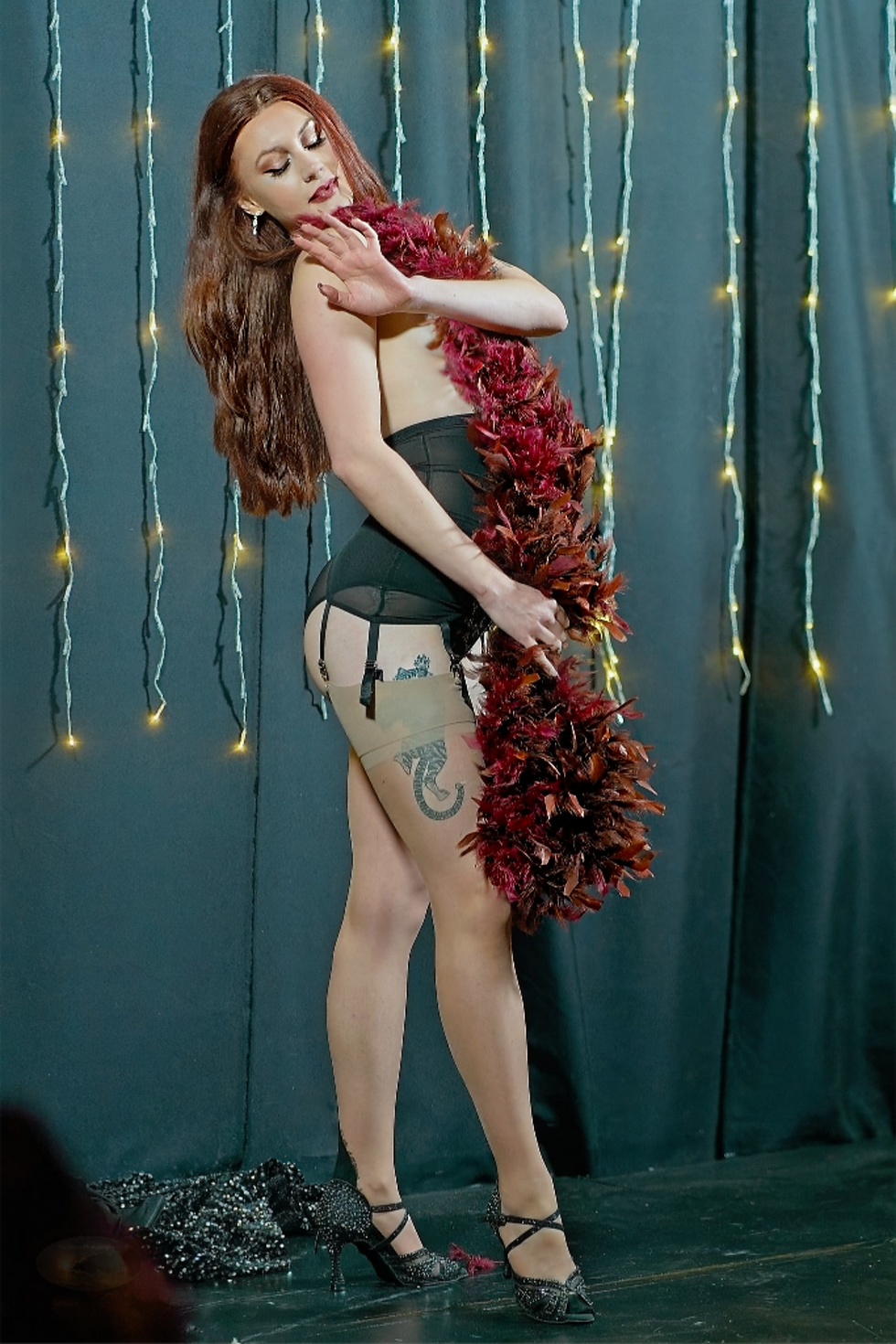
The Craft Behind the Glamour
A burlesque dancer doesn't just put on a costume and start dancing. It's an art that actually requires a lot of preparation, dedication, creativity and hard work. Every burlesque dancer spends countless hours perfecting their craft, training in everything from dance techniques to improvisation, character development and even comedic timing.
Most burlesque dancers often choreograph and design their own acts, which is often inspired by a song, film, theme, era, inanimate object... you name it.
This means they will have set acts that you can book, but some dancers will also be able to improvise, freestyle or adapt their act so the booker can customise it.
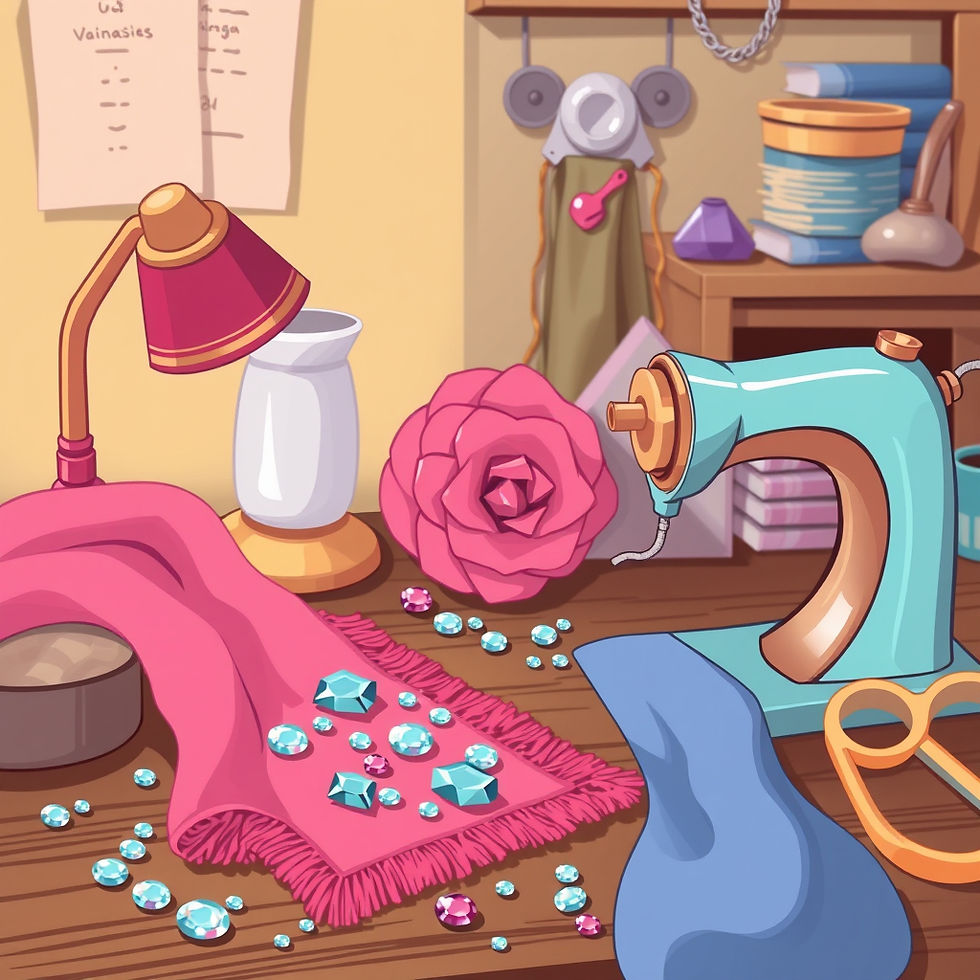
The Costume (Putting it On and Taking it Off): A Work of Art
Rhinestones, glitter, sequins as far as the eye can see! One of the most iconic aspects of burlesque is the costume, and they’re often elaborate, custom-designed works of art.
Burlesque dancers often handcraft their own costumes, so a lot of time is spent sewing, glueing and designing their costume parts, and repairing them after use (I have one particular set of pasties that I always need to re-attach the tassels to).
These costumes are not just about looking glamorous; they help tell the story of the act and enhance the dancer’s persona.
As the act unfolds, the costume becomes part of the performance. Burlesque is famous for the “striptease” element, where the dancer (sometimes slowly and seductively, sometimes with extreme drama) removes pieces of their costume.
However, this is far from ordinary stripping. It's all about the art of the tease. While burlesque may involve removing clothing, it never crosses into full nudity.
Nudity, Pasties and Merkins
To avoid getting to full nudity, burlesque dancers wear pasties (decorative nipple covers) and merkins (a type of modesty garment). These are used to maintain artistic sensibility and are a key part of burlesque costume history.
Burlesque pasties originated in the late 19th century as a way to comply with censorship laws that prevented full nudity, and their use became prominent in the 1920s when anti-toplessness laws became widespread in America. They served as a visual compromise, covering the areola to create the illusion of nudity rather than a literal one. This tradition has continued through modern neo-burlesque, both to honor history and to adhere to contemporary exposure laws.
The costumes are often embellished with dazzling rhinestones, jewels and intricate details that catch the light and add an extra dimension to the performance.
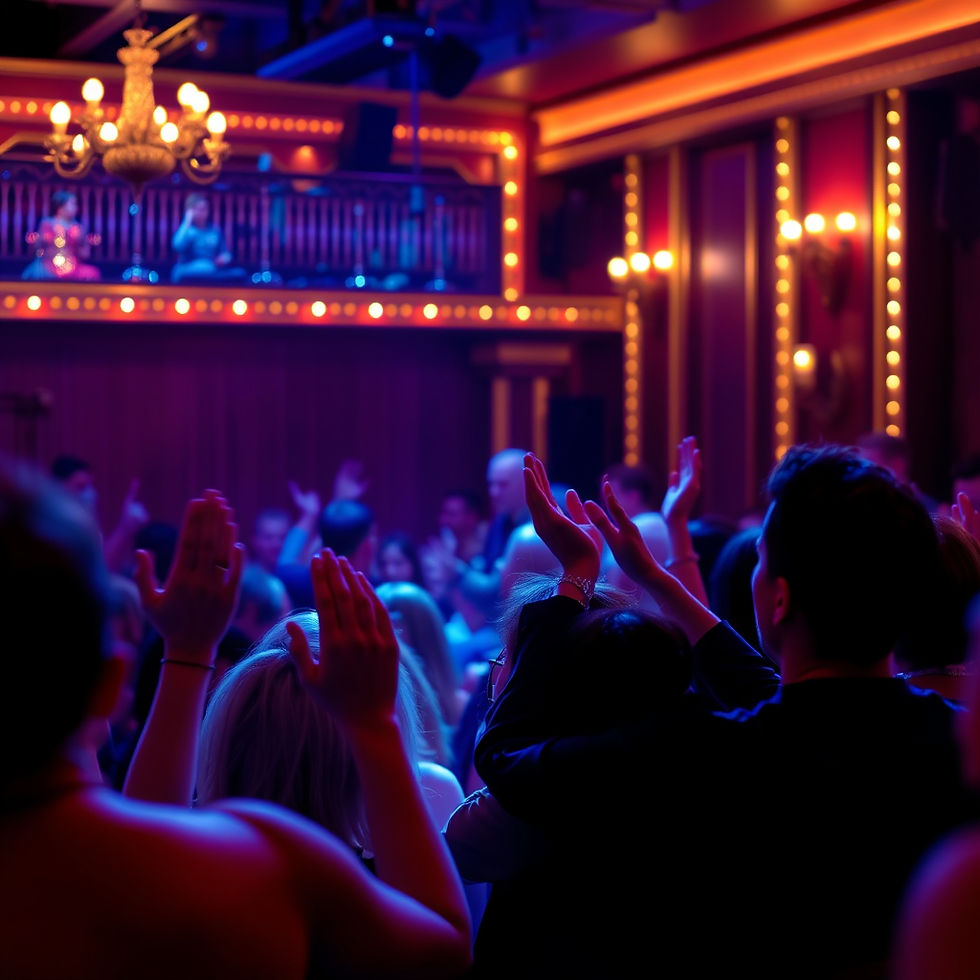
It's About the Audience Too!
It's important to know the artform is about bringing the audience into a shared experience. Burlesque is a form of artistic expression and performance, and - like any performance - it is focused on entertaining the audience.
Burlesque is very well known for being very responsive with the audience. Some performers love to interact by allowing an audience member to remove a costume element (such as a glove) but at a minimum, a burlesque performer will respond to the energy of the audience. If the audience is quieter, they may be more withdrawn. If the audience is going wild, the performer will feel that and amp up their performance. Overall, it is very reciprocal and is an exchange with the audience.
The Performance: From Cabarets to Custom Shows
A burlesque dancer’s performance can take many forms. Most commonly, burlesque dancers perform at cabarets, theatre shows and parties, each offering a chance to bring their unique style and energy to the stage.
Whether they’re performing in an intimate venue or a larger, more elaborate show, each performance will be adjusted to fit the show, space, audience and other variations (e.g. at a family show, burlesque dancers might ask to only strip a few costume pieces, or at a show in a small space, they may adjust their movements).
Burlesque dancers also have the ability to customise their acts based on the event. A performance at a glamorous corporate gala may require a more classic style of burlesque, featuring vintage-inspired costumes and classic showgirl flair.
On the other hand, a themed party or private event might call for something more unconventional, such as neoburlesque or even nerdlesque — genres of burlesque that incorporate modern themes, pop culture references and humour. I have a nerdlesque act about Daphne Blake from the Scooby Doo franchise, which suits comic conventions, while my classic fan dancing acts are better suited for events that require vintage styles and elegance.
The diversity in styles of burlesque allows dancers to adapt to the mood and energy of any event. Whether it’s the sultry moves of a traditional showgirl or the quirky, playful vibe of nerdlesque, a burlesque dancer can tailor their act to ensure it resonates with the audience.
Burlesque: The Art of the Tease
What makes burlesque truly stand out is its focus on tease — it’s not about rushing to the finish, but rather creating an exciting journey that keeps the audience on the edge of their seats. The slow, deliberate removal of costume pieces, paired with a mix of humor, seduction, and drama, builds suspense and heightens the impact of the performance.
While burlesque may involve a stripping element, it’s never about the complete reveal. Instead, it’s about creating a sense of anticipation and allure, allowing the dancer to remain mysterious and tantalising throughout the performance. This is why the art of burlesque is often described as a celebration of empowerment, confidence and self-expression. The beautiful thing about burlesque (one of my favourite things) is the diversity of bodies, ages and styles. Performers celebrate who they are and how their body is in a vibrant and positive way.
A Diverse World of Burlesque
Burlesque is not one-size-fits-all. There’s a huge variety of styles within the world of burlesque that allow dancers to explore their creativity and connect with different audiences.
Classic Burlesque: Inspired by the golden age of burlesque, think showgirls, vintage glam and theatrical stripteases.
Neoburlesque: A modern twist on the traditional form, often with contemporary music, edgy performances and sometimes incorporating elements like satire and politics.
Nerdlesque: A fun, geek-chic subgenre that plays with popular culture, comic books and nerdy references, often with a humorous or quirky edge.
Fetish/Burlesque Fusion: A more alternative approach, merging burlesque with fetish elements for a boundary-pushing experience.
Each burlesque dancer might blend these styles in their own way, offering audiences a diverse range of performances that vary in tone, aesthetic, and content.
A Final Word: Burlesque is More Than a Dance
To truly appreciate what a burlesque dancer does, you must understand that it is so much more than just a form of entertainment. It’s a multifaceted art form that requires skill, creativity and passion. A burlesque dancer is a striptease performer, an artist, often also a costume designer and choreographer, and a storyteller, using their body, costume and stage techniques to create an unforgettable experience for the audience.
So, if you're thinking of going to see a burlesque or cabaret show, PLEASE GO, and remember the artform is about bringing the audience into a shared experience.
If you'd like to book a burlesque act for an event, remember you can always work with the performer to adjust the act to make it suitable for the theme, event, space and audience.


Comments